

3 Concepts Every Business Owner Should Know Before Selling
Navigating the M&A market can be complex, particularly if you are considering selling your business. Understanding a few key principles can help you make informed decisions. This guide outlines three fundamental concepts that significantly influence successful business exits: capital markets, market cycles, and wealth transfer.
Let’s explore each in greater detail.
First Concept: Capital Markets
Capital markets play a key role in the success of any business sale. When we talk about capital markets, we’re primarily focused on three key drivers: high valuations, availability of capital, and interest rates.
- High Valuations. Market valuations are influenced by many factors, including economic conditions and investor sentiment. This has implications for business owners looking to sell. Simply put, when market valuations are high, businesses can command better prices. High valuations reflect the market’s optimism and confidence in the economic environment.
- Availability of Capital. When there is ample capital in the market, more buyers have the financial resources to invest in businesses. This increased competition can result in higher offers for your company. Buyers, including private equity firms and strategic acquirers, often look for investment opportunities when capital is readily available.
- Interest Rates. Low-interest rates make borrowing cheaper, encouraging more buyers to enter the market. Conversely, rising interest rates might reduce buyer activity, affecting valuations. Interest rates are a key factor in determining the cost of financing acquisitions, which directly impacts the affordability of business purchases.
By monitoring industry trends and economic indicators, you can gauge whether the time is right to sell. However, relying solely on market timing can be risky. Market sentiment and economic conditions can change rapidly, making predictions difficult. While keeping an eye on capital markets is important, it should only be one part of your decision-making process. Balance it with your business’s long-term goals and strategy to ensure a well-rounded approach.
Second Concept: Market Cycles
A market cycle refers to the periodic fluctuations in the market conditions that influence the supply and demand for businesses. These cycles can significantly impact the valuations and success of business sales.
In general, the market can be described as a seller’s market or a buyer’s market.
Seller’s Market. This occurs when demand for businesses is high, and the supply is low. This often results in higher valuations and better sale prices for owners. Abundant capital, low-interest rates, and strong economic conditions typically set the stage for a seller’s market. Sellers have the advantage, as buyers compete to acquire limited available businesses.
Buyer’s Market. This occurs when there are more businesses for sale than there are buyers. In this environment, buyers have more leverage, which can result in lower valuations and sale prices. Economic downturns, higher interest rates, and a surplus of businesses for sale can contribute to a buyer’s market. Buyers can be more selective, and sellers might need to lower their expectations.
Market cycles are inevitable, but with the right knowledge and guidance, you can make the most of any situation. For instance, we saw significant global economic shifts during the onset of the COVID-19 pandemic. This period saw dramatic changes in market sentiment and economic conditions. However, those with strong M&A advisors were able to navigate these challenges by leveraging strategic insights and maintaining flexibility.
Third Concept: Wealth Transfer
This final concept may not be one that readily comes to mind when thinking about selling a business, but it plays a significant role in the M&A world. The Great Wealth Transfer refers to the substantial shift of wealth from the Baby Boomer generation to their heirs. How substantial? According to a report from Cerulli Associates, $84.4 trillion is set to be transferred to heirs through 2045.
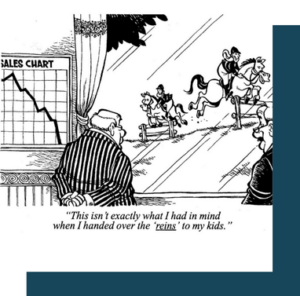 This generational shift impacts the market and presents unique opportunities and challenges for business owners looking to sell. As Baby Boomers retire, many are choosing to divest their business interests. This influx of businesses for sale can create a buyer’s market, where there are more businesses available than there are buyers. Understanding this dynamic can help business owners prepare for changes in valuations and buyer interest.
Planning for this wealth transfer is important. By preparing well in advance, business owners can position their companies to attract the right buyers and achieve favorable sale terms, even in a market with increased competition. Working with an experienced M&A advisor can provide the strategic insights needed to navigate this transition successfully.
Your Path to a Successful Sale
Understanding the dynamics of capital markets, market cycles, and the great wealth transfer can significantly impact your business sale strategy. For greater insight on preparing your business for a sale, download our eBook, Selling with Confidence. In this free resource, we provide detailed guidance and actionable steps.
We also invite you to reach out for a confidential, no-obligation consultation about your business. With deep expertise across various industries, we’ve helped hundreds of business owners navigate sales in all kinds of market conditions. While it’s essential to stay informed about market trends, our experienced team can help you achieve a successful sale, even when the timing isn’t perfect. We’re here to support you every step of the way.