

How to Find Buyers Without Losing Confidentiality
One of the first questions a business owner asks when thinking about selling is how to find the right buyers without letting employees, customers, or competitors know too soon. Confidentiality matters. It helps preserve business value, limit disruption, and support a smoother transition.
In this post, we’ll look at how to identify qualified buyers while keeping sensitive details private until the time is right. We’ll also explain how an experienced M&A advisor can help create a competitive process, identify the right buyers, and manage the sale with discretion.
Who Can Buy Your Business?
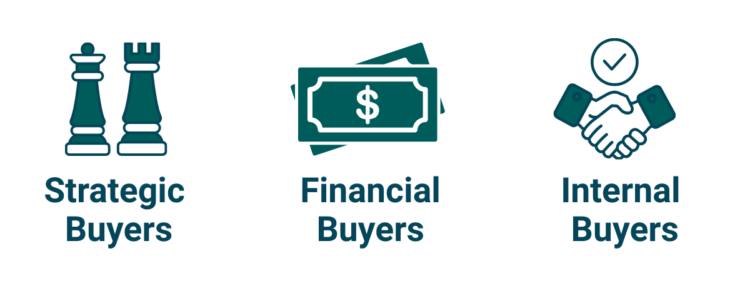
Not all buyers are alike. Each type brings a different perspective, which can shape how your business is positioned and marketed.
Strategic Buyers
Strategic buyers are usually companies looking to grow through acquisition. This may include competitors or businesses expanding into new markets, capabilities, or customer segments. They are often motivated by the specific advantages your business offers, so it is important to clearly communicate what makes the company valuable in a broader strategic context.
Financial Buyers
Financial buyers are focused on the strength of the investment opportunity. This group may include private equity firms, family offices, or other investors seeking healthy businesses with growth potential. They are often drawn to companies with strong performance, dependable cash flow, and opportunities to build value over time.
Internal or Relationship-Based Buyers
Sometimes the right buyer is already close to the business. This could be a partner, family member, management team member, or trusted industry contact. These buyers are often motivated by continuity and familiarity, but the process still requires clear planning to ensure alignment on value, timing, and long-term goals.
Understanding your priorities can help clarify which type of buyer may be the best fit.
What Makes the Buyer the Right Fit?
Finding the right buyer involves more than identifying someone willing to meet the asking price. In many cases, the strongest fit brings a broader set of qualities to the table.
- Financial capability: Do they have the capital or creditworthiness to complete the transaction?
- Strategic or industry alignment: Do they understand the business and what it will take to support its continued success?
- Cultural and legacy considerations: Are they aligned with the values, brand, and long-term future the owner wants to protect?
- Ability to close: Do they have the resources and discipline to keep the process moving toward completion?
The best buyer is often the one who aligns with both the owner’s financial goals and long-term vision for the business.
Why Confidentiality Matters in a Business Sale
Keeping information about a potential sale private goes far beyond giving the owner peace of mind. A lack of discretion can create real challenges for the business.
A lack of discretion can hurt the business by:
- creating uncertainty among employees, which can affect morale and increase flight risk
- raising concerns among customers about stability and continuity
- signaling vulnerability to competitors that may try to take advantage of the situation
- causing disruption among vendors or partners if questions arise about long-term plans
- weakening business value if uncertainty begins to affect performance or perception
Key details shared with the wrong party at the wrong time can create risks that are difficult to reverse.

Methods for Protecting Confidentiality During the Sale Process
There are proven ways to find buyers without putting sensitive information at risk. A thoughtful process helps prevent details from being shared too broadly or too early.
Start With a Targeted Buyer List
Finding qualified buyers should be intentional, not broad. A targeted buyer list helps narrow the field to parties that are more likely to be a strong fit. It also reduces the risk of confidential materials circulating beyond the right audience.
Use Blind Summaries and Screen Buyers First
One way to protect discretion is to share high-level information before identifying the company. This allows buyers to be evaluated for fit and seriousness before more sensitive details are disclosed.
Share Information in Stages
Not every buyer needs access to the same information at the same time. A phased-in approach allows disclosures to expand as interest becomes more serious. Confidential materials should only be shared after a nondisclosure agreement is signed and the buyer has been appropriately vetted.
The right process makes it possible to engage serious buyers without losing control of sensitive information.
How an M&A Advisor Can Help
An experienced M&A advisor can help business owners identify and engage qualified buyers while managing the process with discretion. They can also bring structure to outreach, screening, and timing, which helps reduce the risk of sensitive information being shared too broadly or too soon.
Some of the advantages include:
- Access to a broader buyer network: Advisors often have relationships with strategic buyers, private equity groups, family offices, and other qualified parties that business owners may not be able to reach on their own.
- Confidential outreach: Advisors can approach potential buyers in a controlled way, using blind summaries and staged disclosures to help protect the identity of the business.
- Screening and qualifying buyers: Advisors can help assess whether a buyer has the financial capacity, strategic fit, and seriousness to move forward.
- Creating a competitive environment: By engaging multiple qualified buyers, advisors can help create more leverage around price, terms, and overall fit.
This also allows the business owner to stay focused on running the company during a critical period. An experienced advisor understands where confidentiality can break down and can help manage the process with greater control.
Can You Find Buyers on Your Own?
Yes, some business owners find potential buyers through their own network, industry relationships, or inbound interest. But managing the process alone can make discretion harder to maintain, especially as conversations become more serious and more information needs to be shared.
It can also limit the pool of potential buyers, which may reduce the opportunity to create meaningful competition. In addition, evaluating buyer quality and offer strength is not always straightforward. An experienced M&A advisor can bring a more objective perspective, help vet buyers carefully, and manage discussions in a way that gives the owner more distance from the process.
Reach Out to a Trusted M&A Advisor Today
Allegiance Capital has deep experience helping business owners navigate the sale process with confidence and discretion. Our team has completed successful transactions across a wide range of industries. If you are considering your options, schedule a confidential call with one of our advisors to learn more about what the process could look like.